a place for thinking
our learning approach
As SSOCC, we believe that every child is capable, curious and creative. Children deserve a rich learning environment that provides time and space to explore diverse perspectives and new concepts, to take risks and learn from mistakes and to find multiple ways of communicating their ideas, thoughts and feelings.
-
Reggio-inspired programs honour the many ways children think, communicate, and express ideas—through language, movement, materials, and relationships—rather than relying on a single way of learning. Research has found the Reggio Approach to be the top early childhood approaches to education in the world.
-
A relationship-focused approach places secure, responsive relationships at the centre of learning, recognizing that children develop confidence, communication, and curiosity through connection with others.
-
Social-emotional learning supports children in understanding emotions, building self-regulation, and developing the confidence and communication skills needed to learn and relate to others.
-
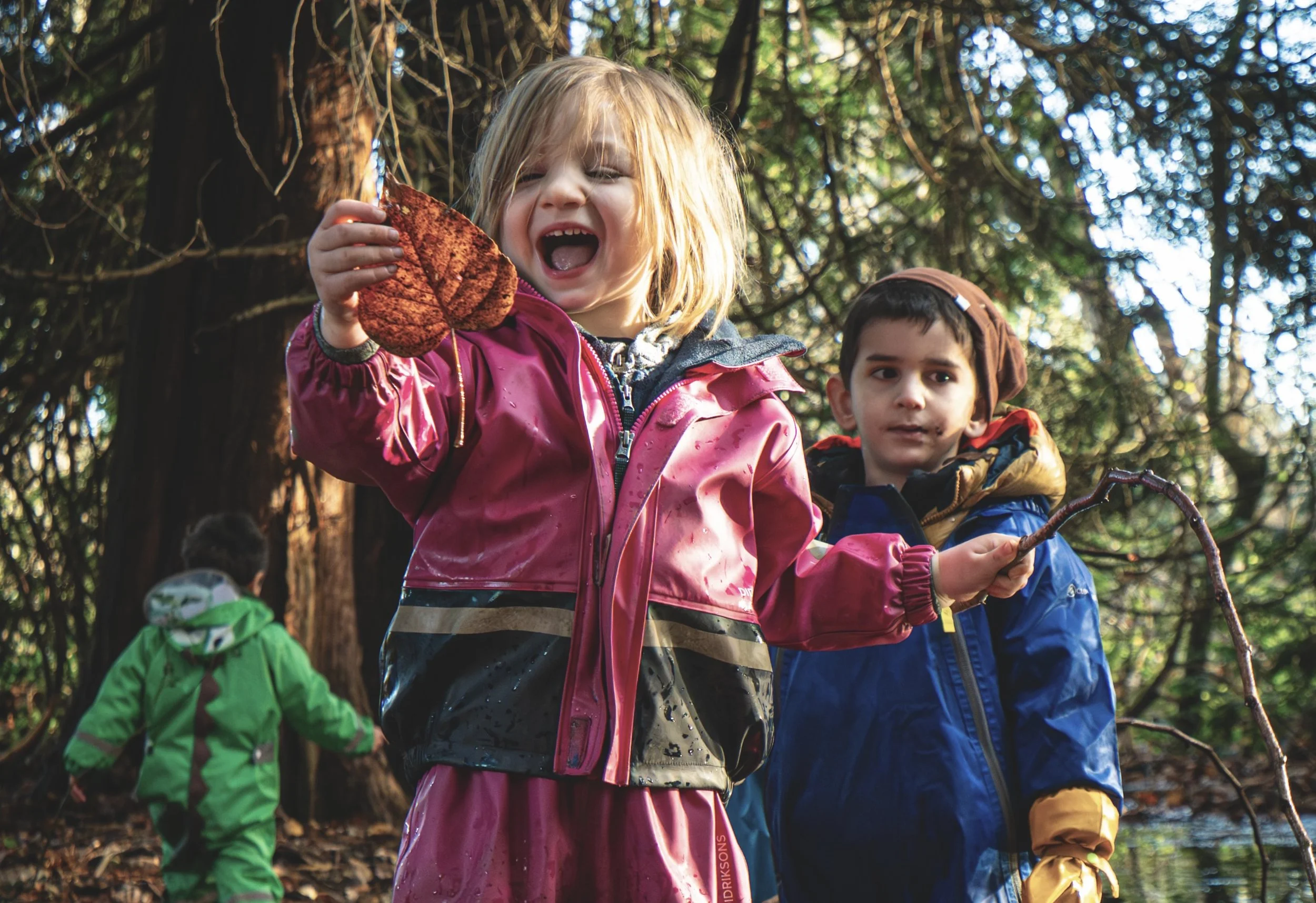
Connection to nature offers children time and space to slow down, supporting emotional regulation, curiosity, and learning through direct, meaningful experiences outdoors . Educators regularly bring nature inside the classroom to support outdoor experiences.
-
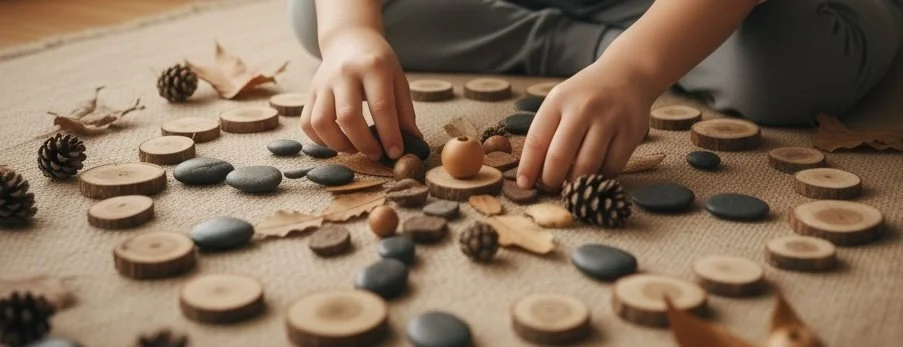
Ateliers are creative studios where children use materials, tools, and media to express ideas, explore questions, and communicate their thinking in multiple ways. Our classroom atelier spaces change over time, but have included clay, light, taste, paint, 3D construction, the garden, and more.

because quality matters
High-quality early childhood experiences are linked to stronger mental health, future academic success, meaningful relationships and long-term happiness. There is no better investment towards your child’s future happiness and success than an investment in high-quality early childcare.
-
Early education programs focusing on a social-emotional curriculum have a positive impact on academic achievement, as reflected in an grades, test scores, attendance and homework completion. On average, students who received social-emotional education will have grades 13 percentiles higher than students who did not.
-
Studies link early social-emotional learning in high-quality programs to stronger communication, collaboration, and healthier relationships over time.
-
Supportive early learning environments are associated with better emotional regulation, lower chronic stress, decreased impulsivity, decreased anxiety and depression and higher reported happiness.
-
Long-term research connects high-quality childcare programs to greater life satisfaction, employment stability, increased lifelong earnings and workplace wellbeing. These outcomes have not been found with lower-quality childcare programs.